My EDH Power Level Formula

To aid in better grading the power level of EDH decks using a 1 through 10 grading scale, I have created a handy formula that can be utilized with any deck.


or in Latex: {\frac {2} {A}}+{\frac {\frac {D} {2}+T+{\frac {R} {2}}} {2}}+{\frac {I} {20}}=P

Let’s break down what these variables mean.

A = Average CMC of the deck.

This one is rather straight-forward. The higher the Average CMC of a deck, the slower and clunkier it becomes. By having 2 divide by this value, I am increasing the number of points awarded to decks with lower CMCs, while reducing the points awarded to decks with higher CMCs. A always has a minimum value of 1, to avoid someone getting a high power level for having 90+ lands in their deck.

D = Draw that either allows you to see 3 cards, or a permanent that gives you repeatable draw
Examples: Brainstorm, Howling Mine, Fact or Fiction, Phyrexian Arena

Draw is an important way to ensure that you are always able to perform actions during the course of the game. A deck with little to no draw will spend most of the time sitting around doing nothing. The value of the draw spells are just as important as their density, which is why I have restricted this value to draw that gives you more card selection, or generates value over a longer period of time. These factors ensure that you always have things to do on your turns. In graveyard decks, it may be necessary to count self-mill cards that share the same stipulations (lets you see 3 cards, and/or is a permanent with repeatable draw) as draw for this variable.

T = Tutors (with CMC 4 or less) that find combo pieces and other win conditions
Examples: Vampiric Tutor, Muddle the Mixture, Tribute Mage, Demonic Tutor

Tutors get you exactly what you want, usually when you want them. They give EDH decks a level of consistency that more casual players would say is not in the spirit of the format. Their main function in higher power levels are to attain game-winning combo pieces. The cheaper the tutor, the more likely it is that the player will be able to use the card they tutored for during the same turn. Because of this, this variable has the greatest weight of any of the other variables in grading power level.

R = Ramp cards with CMC 2 or less
Examples: Llanowar Elves, Rampant Growth, Plague Myr. Sol Ring

Ramp is a major determinant of how fast a deck will win consistently, alongside cheap tutors. The sooner a player has access to a large amount of mana, the sooner they can cast multiple spells in a turn. A game of magic is usually over when a player can cast multiple spells in a turn before their opponents can. This, of course, is more impactful in the first few turns of the game, which is why only inexpensive ramp makes the cut for this variable.

I= Interaction such as counterspells, targeted removal, board wipes, and even stax
Examples: Mana Drain, Swords to Plowshares, Damnation, Winter Orb

Interaction stops your opponents from winning the game before you do. It is vitally important, but only when there is a high density of it. Having two or three forms of interaction won’t do much to consistently answer threats during a game with 3 opponents. This reasoning is why I have this value divided by 20, to reward a high density of answers.

Stax is a very broad-ranging term that means many things to many people. In this case, I define it as cards that slow the game down significantly as their primary purpose, limit what actions players can ordinarily take, and tax opponents to build value for yourself. This includes Mass Land Destruction (MLD), Hatebears like Drannith Magistrate and Grand Abolisher, and even Pillow Fort like Propaganda.

There are a few things that I would like to note, based on community advice.

Commanders count as 2 toward their respective variable, even if they are costed higher than the respective variable’s limitation.

For example, Tymna would count as 2 towards D (Draw), and Sidisi, Undead Vizier would count as 2 toward tutor, since she is always available. This is a workaround to the fact that this formula doesn’t handle commander-centric archetypes well, such as decks like Sram and aggro Tribal decks like Krenko.

Graveyard strategies may require creative consideration for variables.

A card like Mesmeric Orb may not count as draw in most decks, but it could be very powerful draw in a Muldrotha deck. Entomb may not seem like a tutor in most decks, but it can be a very powerful tutor in a Karador deck.

Because of the difficulty of quantifying “Average Win Turn”, this formula focuses on how fast a deck can potentially amass a winning boardstate instead.

Having R (Ramp) be limited to spells CMC 2 or less is an easy way to denote that early game acceleration is what it is representing. The same is true to a certain extent with regards to T (Tutors). These values are weighted heavily for this very reason.

With the commander out, the score can actually change.

However, this formula leans heavily on representing the flow of gameplay, focusing on the early game. If you can get your commander out with early ramp, that will be reflected in the formula, actually. It may be interesting to have people compare two results of the formula; for when the commander is not in play, and when the commander is in play. Many cards will suddenly belong to variables that they did not otherwise belong to.

This formula is a generalist tool, not meant to score unique commander-focused decks.

These variables work because they are metrics that can be widely agreed upon to be signifiers of power, speed, and consistency. Synergy in EDH is a very esoteric value, that varies greatly between decks. Because of that, I choose to focus my efforts on providing a tool for most decks, not all. All decks can benefit from Ramp, Draw, Interaction, Lower Average CMC and even Tutors.

Lands are largely a no-brainer, contributing little to power level in a well-constructed deck.

Playing minimal tap lands will make most decks better able to play during the early game. I make the assumption that the decks playing tap lands will be scored lowly by the variables of this formula. because those sorts of decks seldom run low cmc ramp, tutors, and draw.

From my own calculations utilizing this formula, I have been able to create a nice baseline of power levels that are usually below 10 and above 3. I have found that meta-“cEDH” decks seem to consistenly grade above 10, though this formula is not meant to accurately grade meta-specific decks such as cEDH decks. I will go through 5 examples of varying deck types. These formulas may not include changes to the variable calculations that have been implemented using community feedback.

Exquisite Invention -UR Artifact C18 PreCon
https://tappedout.net/mtg-decks/exquisite-invention-ur-artifact-c18-precon/
A=4.16 D=8 T=0 R=4 I=9

Score: 3.95

Vampiric Bloodlust – RBW Vampires C17 Precon
https://tappedout.net/mtg-decks/vampiric-bloodlust-rwb-vampire-tribal-c17-precon/
A=3.71 D=10 T=0 R=4 I=16

Score: 4.8

Jarad Graveyard Combo – GB “70%” Reanimator
https://tappedout.net/mtg-decks/jarad-golgaris-one-true-king/
A=3.30 D=1 T=7 R=8 I=19
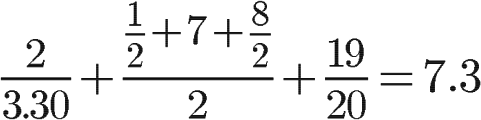

Score: 7.3

Memnarch Control Combo – Mono-U Competitive
https://tappedout.net/mtg-decks/memnarched/
A=2.64 D=13 T=11 R=11 I=24


Score: 12.9

Thrasios & Tymna Combo – “Tier 1” cEDH
https://tappedout.net/mtg-decks/partner-combo-thrasios-tymna-cedh/
A=1.60 D=12 T=10 R=14 I=20
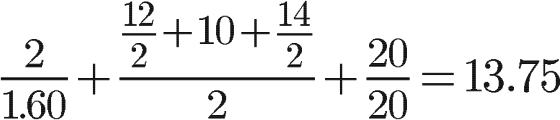

Score: 13.75!!!

As you can see, this scoring method is a good metric to gauge a deck’s general power level when factoring in deck traits that define the EDH meta. A deck with a score over 10 is most likely a competitive deck, perhaps belonging to the “cEDH” format. I like that it appears to turn out that way, as it puts those deck in a “tier of their own”, as many remark cEDH decks as being already.

Moving forward, I will be grading any EDH decks I discuss on this site using this formula. I look forward to hearing your thoughts on this grading formula, and seeing your own deck power levels as defined by this formula.
The Great EDH Challenge

Hey there EDH players.

I decided to reattempt the Great EDH Challenge. This challenge entails making an EDH deck of each color combination, 32 decks in total. I aggressively pursued this challenge several years ago, but was never satisfied with the unofficial 4-color options of the time; the Nephilim. But with the C16 Commanders, and their accompanying Partners, I can rightfully complete the challenge.

I will be spending several posts going through the decks I have chosen to create to complete the challenge. This is the ultimate challenge in deck creativity and expression for me, so I look forward to going through my decklists. Deck construction is perhaps my favorite thing about MtG, perhaps even more than playing the game! In any case, this is the list of decks, to be updated upon their completion:

Colorless: Ulamog Rocks

Mono Color
White: Mangara’s Enchanted Lifegain
Blue: Memnarch C&C (Control and Combo)
Black: Sidisi Ad Nauseum
Red: Rograkh/Jeska Voltron
Green: Sekki Spirits

Allied Pairs
Azorius: Raff Superfriends (Teferi Tribal)
Dimir: Silas/Keskit Artifacts
Rakdos: Kaervek Hazard
Gruul: Gallia Satyrs
Selesnya: Saffi Reanimator Combo

Enemy Pairs
Orzhov: Vishkal Aristocrats
Izzet: Aegar’s Giant Burn
Golgari: Jarad Reanimator Toolbox
Boros: Gerrard Sunrise
Simic: Kumena Merfolk

Shards
Esper: Sen Triplets Theft
Grixis: Solkanar Demons
Jund: Lord Windgrace Land Destruction
Naya: Samut Anthems
Bant: Derevi Stax

Wedges
Mardu: Kelsien Human Equipment Deathtouch Pingers
RUG: Maelstrom Wanderer Stompy Ramp
Abzan: Kethis Black People
Jeskai: Gavi Cycling
BUG: Volrath Infect

4 Color
Glint-Eye: Max/Eleven Bad Girls
Yore-Tiller: Breya Mud Tokens
Witch-Maw: Atraxa Value
Ink-Treader: Bruse Tarl/Thrasios Shirtless Studs
Dune-Brood: Saskia Soldiers

5-Color: The First Sliversss

I look forward to sharing and discussing these fun decks with all of you!

EDH Favourites : Mono-Colored

EDH/Commander is my favorite format. It allows such a wide range of deck-building options, and you can really express yourself through your decks. This appeals to me greatly, especially when I see theme decks, and especially flavorful decks. I tend to make either really powerful decks, or really casual decks.

I’d like to share my favorite commanders with all of you, within 4 different posts. This time, I will cover my favorite mono-color commanders. Mono-color commanders offer the purest color pie experience in EDH. The decks are oftentimes single-minded, having access to only one color. You really get to see the weaknesses and strengths of each color, even with access to nearly all of the cards in magic’s history.

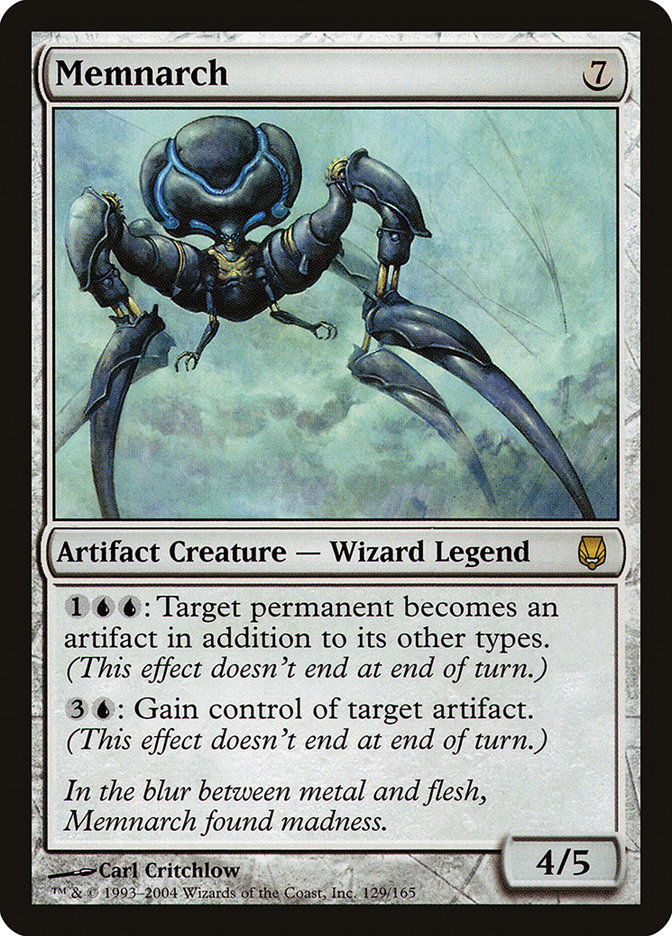
Mono-Blue : Memnarch

dst-129-memnarch.jpg

Memnarch is probably my favorite creature in MtG. He is the World Warden, the Wicked Wizard, the Obsessive Overlord. Memnarch takes your permanents…all of them.

With infinite mana, Memnarch serves as the best theft-based mana sink in the game. He keeps your opponents’ permanents….permanently. He turns card advantage on it’s head, by allowing you to gain an advantage while disadvantaging your opponents. Normally, filling your deck with mana producers seems underwhelming, but Memnarch turns any excess mana into additional permanents on your battlefield. He is oppressive, yes, which is why I only play him when I’m playing against other powerful combo decks. And with a head that big, how couldn’t he out-think his opponents?

Strength : Card Advantage

Weakness : Aggro Decks


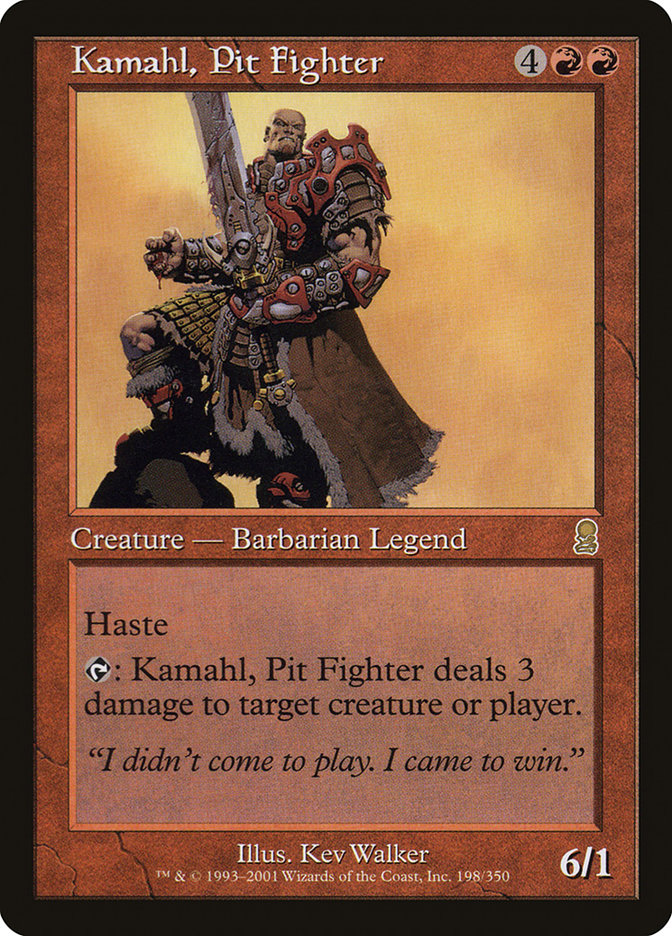
Mono-Red : Kamahl, Pit Fighter

ody-198-kamahl-pit-fighter.jpg

Kamahl is the champion of the Pit. He is a vicious gladiator, coating his massive blade with the blood of his opponents. Pretty manly, eh? Alas, he lacks stamina; he is a one-minute man. But man, does’ he know how to smash during that minute!

Kamahl is the king of pingers. He is a lightning bolt on a stick, who deals 3 damage to any target the moment he comes out of the command zone. But more importantly, he comes out swinging, possibly doing 6 commander damage to an unfortunate opponent. He is aggressive, and also shoots lightning bolts. To me, Kamahl is a red purist, epitomizing the classical aspects of the color. You can build him as tribal pingers, or you can voltron him up, or you could just run burn spells and hasty creatures. His versatility is his strength, just as it was in the Pit.

Strength : Damage

Weakness : Big Booty Blockers


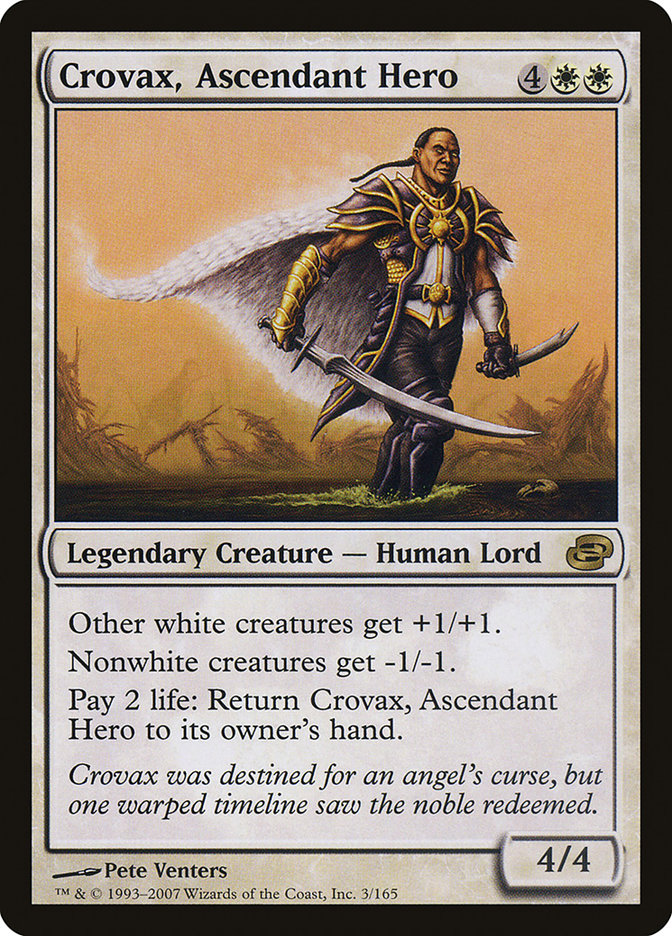
Mono-White : Crovax, Ascendant Hero

plc-3-crovax-ascendant-hero.jpg

The Time Spiral Block gave us so many amazing remixes of the color pie, game mechanics, and even previous characters. Crovax is known as being a merciless vampire, corrupted by Phyrexia and turned against his previous allies. His story is complex and nuanced, creating a multi-faceted character with a living, breathing history. In typical What-If fashion, Planar Chaos gave us a parallel universe-version of Crovax, who’d been cleansed of his corruption, and who became an incredible force for good.

I love Crovax, and always wished he’d gotten a happier ending during the Weatherlight Saga. This card gave him that happier ending. Because he fights against the evil that had corrupted him, and as such, I build him with a Black-Hate theme. Because he fights the darkness, I have him joined by a team of creatures that have Protection from Black, and various tools to lock down their black minions and the swamps they come from. Crovax is an anthem that can be saved from nearly everything for 2 life, who sometimes nerfs your opponents’ creatures. He is the hero we deserve, but not the one we need when we’re not going against a black deck. 😀

Strength: Going against Mono-Black decks

Weakness : Going against another Mono-White deck


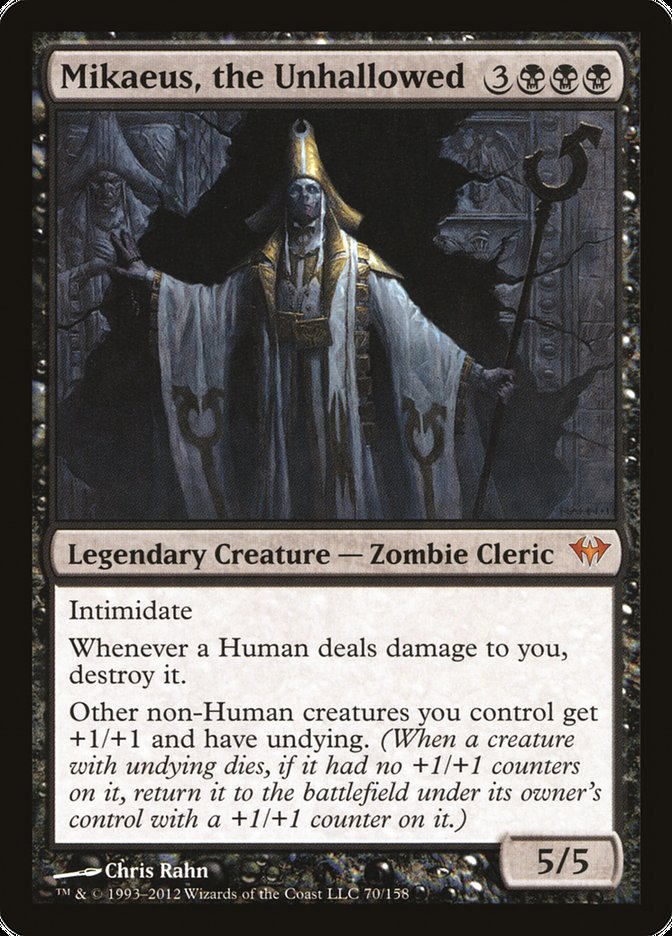
Mono-Black : Mikaeus, the Unhallowed

dka-70-mikaeus-the-unhallowed.jpg

Poor Mikaeus. Once a religious leader, he was turned into a zombie by that evil wench, Liliana. Just as she corrupted my favorite Planeswalker, Liliana defiled the pious Mikaeus, and used him as a puppet for her own ends. A tragic end to a holy man who tried his hardest to preserve a dying faith.

This Zombie is actually a combo machine. He goes infinite with so many cards that it borders on ridiculous. And with access to Black, you can easily tutor for all of your combo pieces. Bring pack your creatures endlessly, while draining or pinging your opponents to death death in the process. It’s easy as 1. 2. 3 combo pieces! I solemnly swear as a Johnny player that Mikaeus is a combo player’s wet dream. Humorously enough, I almost always forget that he destroys humans that deal damage to you!

Strength: Winning Outright

Weakness: Getting Hated Off the Table


Mono-Green : Kamahl, Fist of Krosa

ons-268-kamahl-fist-of-krosa.jpg

Look who decided to become a member of the Green Party! Kamahl had a revelation within the deepest parts of the Forest of Krosa, and spent a great deal of time meditating on all of his past crimes as a Mono-Red brute. Being taught by the forest and it’s protectors, Kamahl became a druid, and found an inner peace through continued meditation. His future was not a peaceful one, however, seeing how he was forced to kill his own sister, who’d essentially been turned into an avatar of death by the evil Cabal.

Kamahl’s Green incarnation is even more versatile than his red one. Not only does he turn lands into prime targets for removal, but he also pumps your entire team. Overrunning your opponents with infinitely big creatures is always good for a laugh, and a win! Just as he epitomized the classic features of Red in his previous card, the Kamahl represents what makes Green great; the ability to punch your opponents really hard. I mean, look at those bulging muscles!

Strength: Big Brawny Creatures

Weakness: Board Wipes


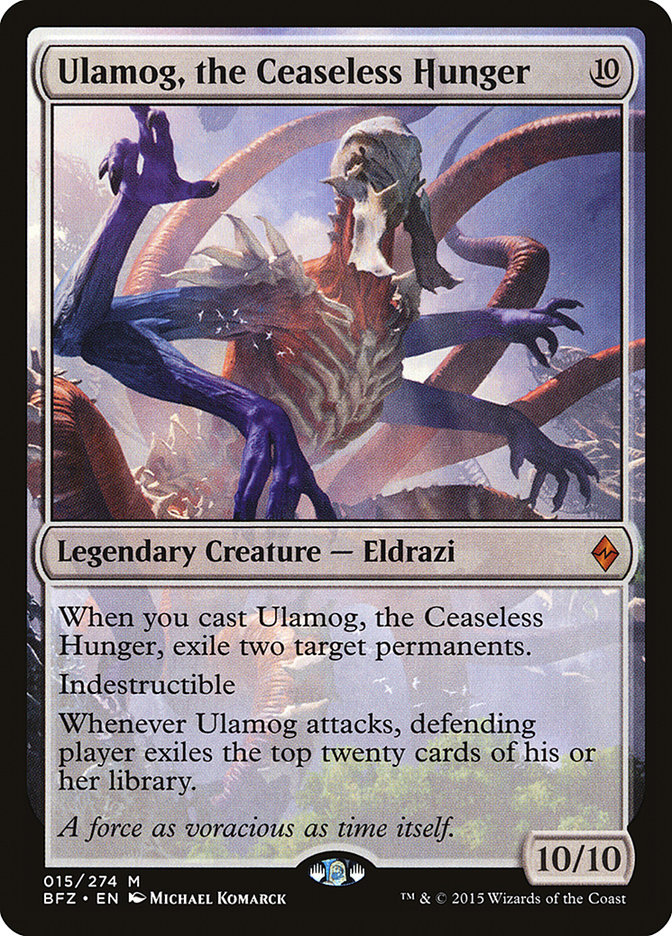
*Colorless – Ulamog, the Ceaseless Hunger

bfz-15-ulamog-the-ceaseless-hunger.jpg

To finish things off, let’s cover the mysterious and inherently weak Colorless….color? Not having access to colored mana drastically reduces your options for things like early interaction, but it doesn’t matter when you fill your deck with artifact ramp and slam down the always cranky, never lackluster Ulamog.

Eldrazi Titans are notorious for their cast triggers, which normally ensure that you aren’t wasting large amounts of mana to cast a spell that might just end up getting countered. Spending 10 mana to exile two permanents is pretty amazing by itself, but imagine getting a 10/10 indestructible creature out of that has a disgusting attack trigger! And by the way, you always have access to it! EDH is one helluva format, eh?

Strength: Exiling Stuff

Weakness: Slow to Interact


Tune in next time for my favorite 2-color commanders!

Motorcycle Diaries

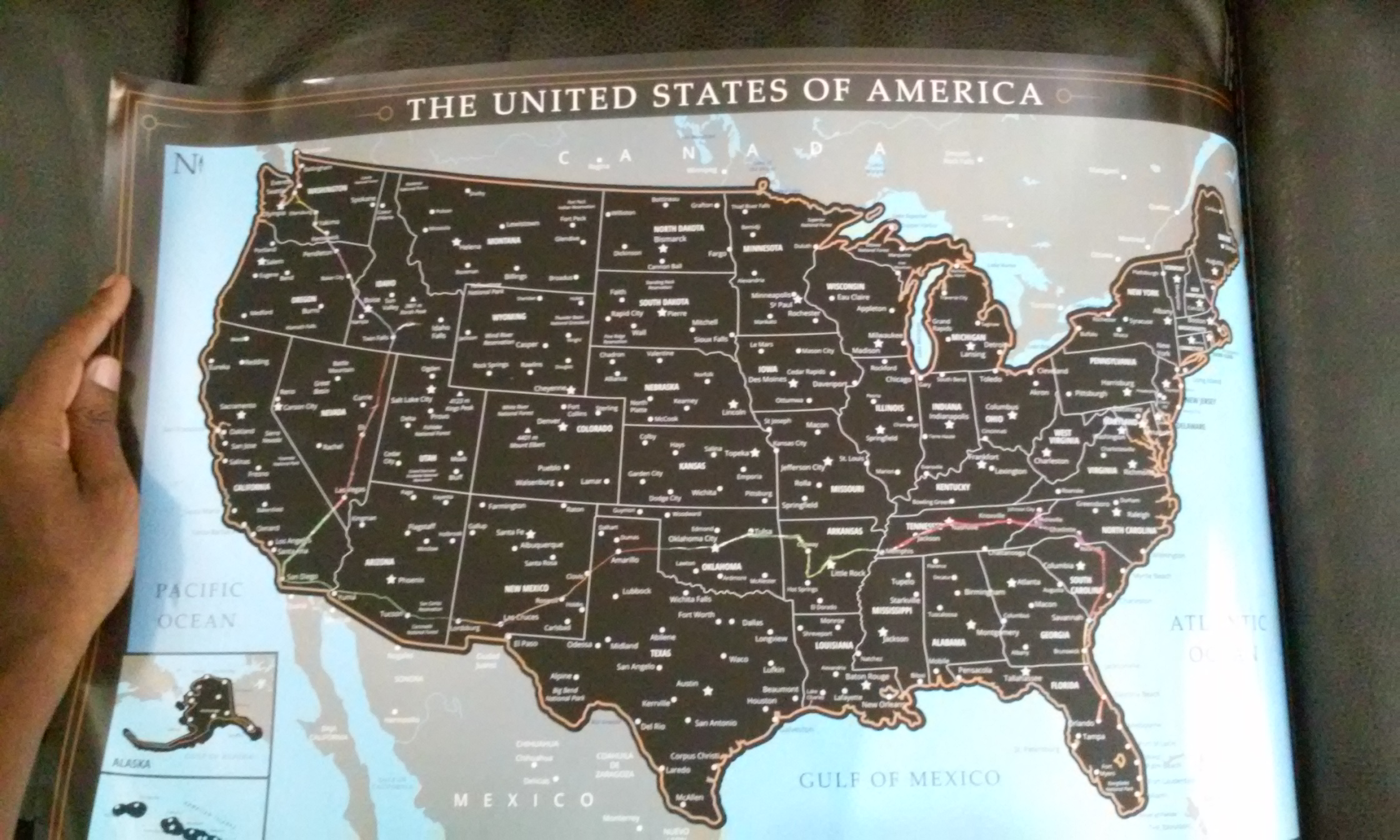
I was on the road a month and a half ago, for a period of 4 months, riding my motorcycle across the US. A lot happened during that time, good things and bad things to be sure. I sit here in my home, where I left from, and I am reminded that I wasn’t really changed by it. The camping out in remote areas, the constant conversations with people so very different from me, and the month living in bittersweet Mormon Idaho…these things did little to remove the coldness and lingering despair I tend to feel about life in general. It was…an interesting diversion, to say the least. Certainly enough to write a novel about, to be sure.

20180624_140241.jpg
The First Half of My Trip – Orlando to Seattle

I went to GP Vegas during that trip, which turned out to be pretty last minute. I rushed from San Diego to get there, once I realized that it was happening just 2 days later. Quite a ride, from San Diego to Las Vegas. It was worth it, though. Haven’t spent a lot of time in Las Vegas, so it was a lot to take in, especially since I’d been staying in desert National Parks throughout Arizona and New Mexico during the previous 2 weeks. The GP was pretty routine, just more MtG “celebs” than other GPs.

I had a great time playing commander with new folks, primarily from California. They have a weird sense of humor and ease of being that I’m not used to. It was refreshing though, as I’m more used to uptight magic players who reek of insecurity and pettiness. My two decks, Jarad and Memnarch, went undefeated there. Folks started not feeling good about playing against them, so I made a draft-chaff Rona deck to humble myself before them. The gesture was appreciated, even if I didn’t end up having much fun playing it, hah. I did have fun playing with the friends I made, so that is what mattered. That was the first time I’d used a female commander, so that’s a bit of a milestone for me. I didn’t feel the normal urge to make a male commander that I could envision myself “being with”, so hurray for not gaying up my commander experience yet again. 😀

20180614_150507_Pano.jpg
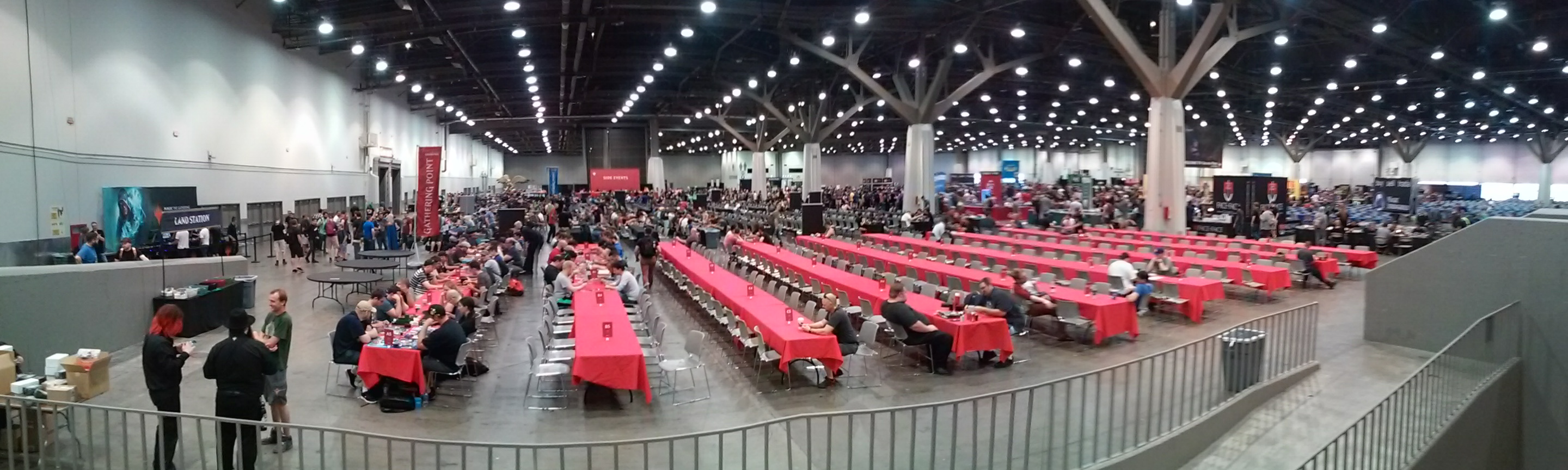
GP vegas 2018, early on the first day.

I went to a few card shops over the course of my trip. The most unique of them was ABU Games in Boise, ID, which was located in a building that had previously been a Gold’s Gym. Their super-casual commander rules were pretty ridiculous, but I get the feeling that the place is fun outside of that.

I really enjoyed visiting Renton, WA and staying with an old, good friend that lives there. To my surprise, Wizards of the Coast HQ was only 5 minutes from their house, so I get to check visiting that place off my bucket list. The Seattle area has such miserable weather, so that explains some of the decisions they’ve made over the years…haha! I was even able to play with an interesting R&D guy at a nearby card shop, who I’d coincidentally ran into at GP Vegas a few weeks earlier. I had a full “WoTC experience” in Renton.

20180623_114022.jpg
WoTC Headquarters

Taking breaks to play MtG were some of the highlights of my trip. Although, bringing along 2 decks that had about $8000 of value in them on a cross-country motorcycle trip probably wasn’t the brightest idea. 😀